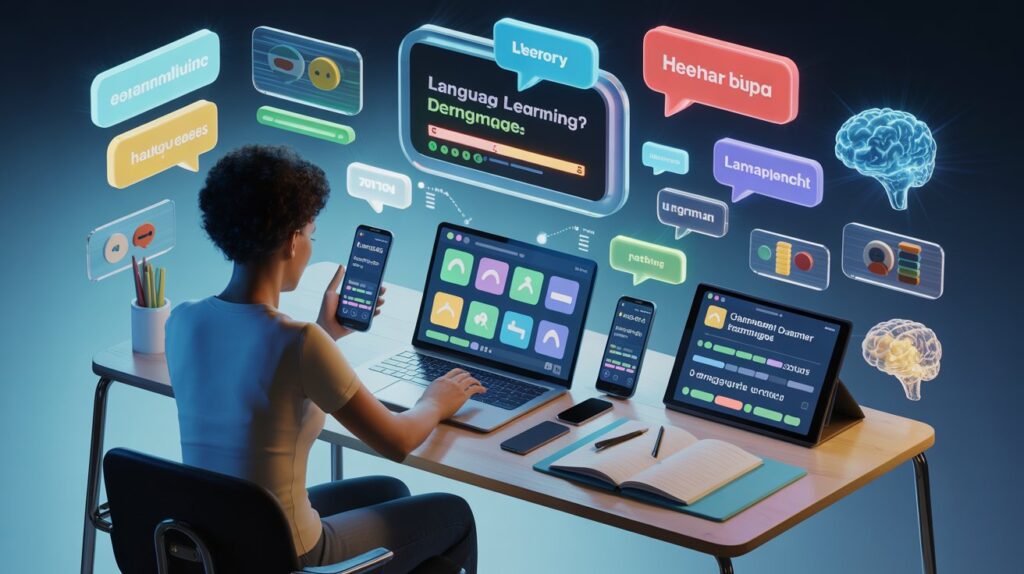
Learning a new language has always taken time, patience, and consistency. What has changed over the last decade is how we learn. Technology has quietly reshaped language learning, turning what used to be a classroom-only experience into something personal, flexible, and available anytime.
Today, learners are no longer limited to textbooks or weekly classes. With the right tools, language learning can fit naturally into daily life.
From Traditional Methods to Digital Learning
In the past, language learning followed a predictable pattern: grammar books, memorization, and repetition in a fixed environment. While these methods still have value, they often lacked real-world context and flexibility.
Technology filled that gap.
Digital tools introduced:
Instant access to native content
Interactive practice instead of passive reading
Learning paths tailored to individual levels
Immediate feedback, not delayed correction
This shift didn’t replace traditional learning it enhanced it.
The Role of Modern Tools in Language Learning
- Mobile Apps for Daily Practice
Language apps make short, consistent practice possible. Five minutes while waiting in line or commuting can reinforce vocabulary, pronunciation, or sentence structure. Over time, these small sessions add up.
- AI and Personalization
Modern platforms adapt to the learner. If you struggle with listening, you’ll see more listening exercises. If vocabulary is your weak point, it becomes the focus. This personalized experience keeps learners engaged and motivated.
- Multimedia Content
Videos, podcasts, songs, and short stories expose learners to natural language use. This helps with:
Real pronunciation
Everyday expressions
Cultural context
Learning stops feeling academic and starts feeling real.
- Writing and Speaking Tools
Technology now supports active production, not just consumption. Writing assistants, pronunciation feedback, and conversation simulators allow learners to practice safely before using the language in real situations.
Technology Builds Consistency
One of the biggest challenges in language learning is staying consistent. Tools help by:
- Sending reminders
- Tracking progress visually
- Turning learning into a habit, not a task
- When progress is visible, motivation follows.
- The Human Element Still Matters
- Despite all the technology, language is still human. Tools work best when they support real goals:
- Communicating with people
- Traveling confidently
- Working or studying abroad
- Technology accelerates learning, but intention and curiosity drive it.
Final Thoughts
Language learning with tools and technology is not about shortcuts. It’s about smarter effort. When learning fits naturally into your routine, feels personalized, and stays engaging, progress becomes inevitable.
The tools are already in your pocket. The only question left is how consistently you use them.